
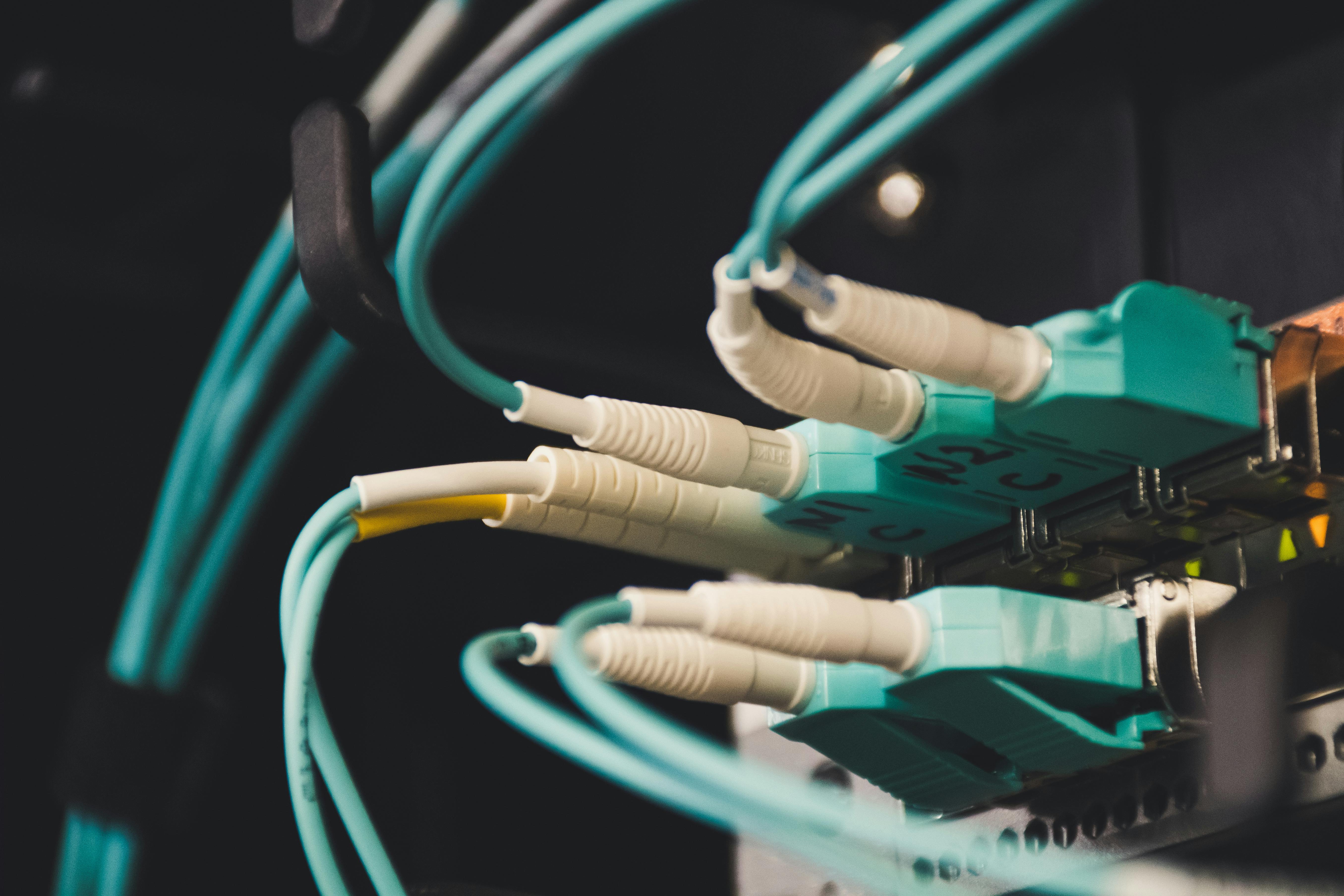
If you run a cannabis dispensary or hemp/CBD store, payment terminal connectivity isn't just another box to tick - it's the backbone of smooth checkouts and business continuity. Every transaction, whether it's at a busy bud bar or a curbside pickup, relies on your terminals staying online and compliant. Let's break down Wi-Fi vs. Ethernet, dive into the importance of cellular failover, and explore practical strategies to minimize downtime. You don’t need to be a network engineer to nail this - just a pragmatic approach, a little know-how, and the right partners in your corner.
Why Payment Terminal Connectivity Matters in Cannabis Retail
Choosing the right payment terminal connectivity in cannabis retail is more than a convenience call - it’s central to your shop’s reliability and regulatory standing. Dispensing cannabis is a high-stakes game where transaction failures can lead to both lost sales and compliance headaches. Most established retailers still stick with Ethernet for fixed terminals, chasing maximum consistency, but new store layouts and evolving workflows are changing the equation. Payment Nerds outlines why Ethernet still holds its ground for reliability, but it’s not your only option anymore.
Ethernet vs. Wi-Fi Terminal Setup: Sorting Out Your Options
So, should you anchor your payment terminals with Ethernet or give Wi-Fi a whirl? Ethernet is the gold standard for any dispensary running fixed checkout counters and high-volume throughput. A wired connection doesn't struggle with interference and keeps outages low. Even heavy-traffic times, like promotions or 4/20, rarely faze Ethernet. For a straightforward take, check out Bank of America's recommendations.
But Wi-Fi’s catching up fast. If your dispensary set-up is mobile-friendly or you want to open a new spot without tearing up floors, Wi-Fi saves time and offers more agility. The tradeoff? Wi-Fi is a bit more prone to hiccups, especially in stores with tricky layouts. But as MotusCC points out, Wi-Fi versus Ethernet is really a question of balancing rock-solid reliability against installation speed and flexibility. Modern cannabis stores - especially those using pop-ups or retrofitting older buildings - often opt for a hybrid of both.
Cellular Connectivity: Building in a Backup You Can Count On
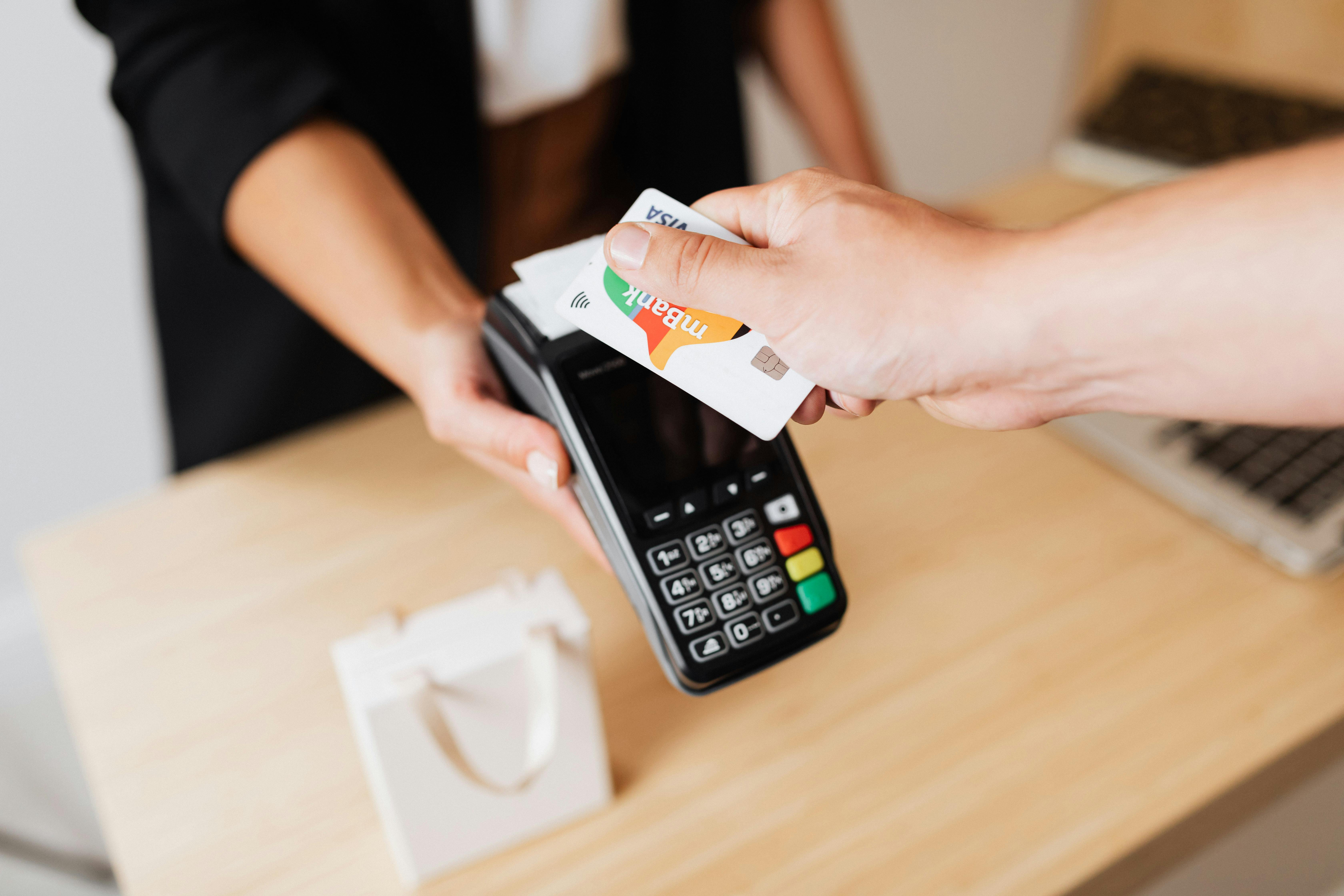
Here’s where things get interesting: Cellular payment terminals are making life a whole lot easier for cannabis retailers aiming for minimal outages. With cellular, you can process transactions in places where Wi-Fi and Ethernet fall short - think outdoor events, curbside delivery, or those infamous dispensary dead spots. If you’ve ever had to reboot a router and lost sales in the meantime, you know why mobility matters here. 1oT explains how relying on cellular for handheld POS not only provides key flexibility but also keeps you compliant if your main network fails.
Even enterprise stores are joining the trend. Cellular doesn’t care about wall thickness or Wi-Fi dead zones; it goes where you go. Whether it’s a pop-up lounge or a delivery van, cellular expands your payment game beyond the shop floor.
Cellular Failover Payments: Your Safety Net Against Outages
For cannabis and CBD retailers, cellular failover is a real operational safety net. It works like this: When your main network gets fussy, your payment terminal automatically switches to a 3G or 4G backup. This handoff isn’t just nice to have - it can mean the difference between lost sales and business as usual, especially on audit days or high-traffic weekends. Adyen’s docs have a solid technical breakdown if you want the details.
Reality is, internet hiccups happen - power outages, building work, or your provider just having a bad day. Having cellular failover is quickly becoming a baseline requirement.
Keeping Payments Safe & Reliable: Security Considerations
Security is baked into every decision you make with payment connectivity in cannabis retail. Traditional Wi-Fi can raise eyebrows due to the potential risks of public networks, but managed right, it's still a contender. Cellular data connections lean heavily on strong encryption and deliver an extra layer of protection for high-value, regulated sales. This makes cellular especially valuable for retailers that can't afford to get compliance wrong.
Reliability means more than just minimizing service gaps. It means consistent reconciliation, fewer manual errors, and better audit trails. Blending Ethernet's sturdiness, Wi-Fi's nimbleness, and cellular’s resilience gives you a coverage net that’s hard to beat - even if it sometimes means working out a few new-work kinks. Curious how Cova Software builds these practices right into daily workflows? Visit the Cova POS page for more info.
Mix and Match: Dual or Triple Connectivity for Cannabis Payments
Today’s payment terminals are nothing if not adaptable. Many support Ethernet, Wi-Fi, and cellular failover right out of the box. Investing in dual or triple connectivity is like insuring your store’s ability to take payments - no matter what. If your location combines in-store, curbside, and delivery sales, automated network switching is a clear operational advantage.
The bonus with this set-up? Even if one network goes down, you don’t have to scramble. That means less disruption during audits, better uptime for multi-store retailers, and flexibility if your operations expand. Hybrid checkout models are quickly becoming the norm, and terminals have finally caught up.
Getting Your Payment Terminal Setup Right: Implementation Tips
Deploying reliable payment connectivity in cannabis retail isn’t as daunting as it sounds. For cellular terminals, pop in the SIM card from your payments provider and you’re ready to roll. Wireless? Stick with a secure, private network - no voodoo passwords, please. But layering connectivity is only as effective as your oversight. Monitoring, maintenance, and regular check-ins with tools built for cannabis retail - like those in the Cova Resource Hub - are key for a smooth launch and steady operations. Don’t wait for a tech hiccup to rethink your stack.
FAQs: Payment Terminal Connectivity for Cannabis & CBD Retail
- Which payment terminal connectivity is most reliable for dispensary use?
Ethernet remains your go-to for stationary checkouts. Wi-Fi is flexible for mobile setups, and cellular delivers the best coverage for failover and remote sales. Many stores use a mix for full protection. - How does cellular failover cut down on payment outages?
With cellular failover, if the primary network fails, payment terminals instantly shift to mobile data, keeping sales live and compliance risk low. - Can Wi-Fi be secure enough for regulated cannabis transactions?
On a secure, private network with a strong password, yes. For the most sensitive data, cellular usually offers stronger encryption. - Is it possible to use Wi-Fi and cellular on the same terminal?
Most new devices are built for dual or triple connectivity. Always check the technical specs to confirm automatic failover is supported.
Conclusion: Set Up for Success with Cova Software
Picking your payment terminal connectivity in cannabis retail isn’t just about speed - it’s about protecting uptime, compliance, and your customer experience. By weaving together Ethernet, Wi-Fi, and cellular failover, you give your dispensary or hemp/CBD shop a major advantage against outages and compliance gaps. For hands-on guidance, book a demo with Cova’s team or dig deeper into inventory best practices. And if you want to stay plugged in, subscribe to the Cova Blog for the latest in retail operations and technology. A robust, layered payment setup isn’t just a future trend - it’s the foundation of serious, compliant cannabis retail today.


No Comments Yet
Let us know what you think