
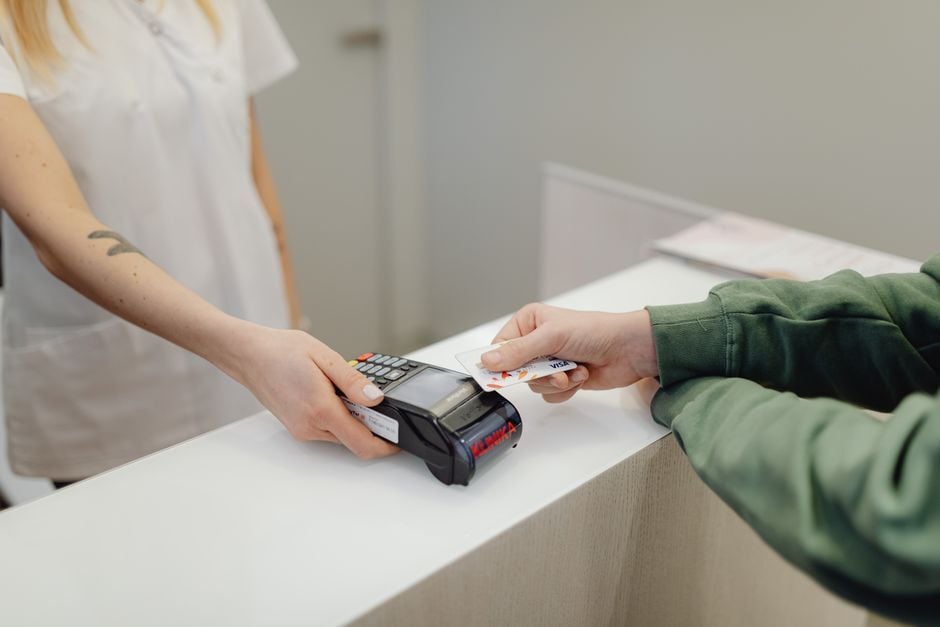
Do smoke shops accept credit cards? Yes, many do, but only when your payments setup is built for an age-restricted, higher-scrutiny category instead of a standard retail “instant approval” flow.
If you operate a smoke shop, head shop, or vape-forward retailer, you are operating in a category where rules vary by jurisdiction, product mix matters, and chargebacks can spike fast if your checkout and policies are not right.
This guide covers what actually changes when you accept cards in a high-risk category, the payment options customers will expect in 2026, and the practical steps you can take to keep your merchant account stable.
Do Smoke Shops Accept Credit Cards?
In most cases, smoke shops can accept credit and debit cards. The catch is that you typically need a processor and acquiring bank that will openly support your category and underwrite you correctly from day one.
Where operators get burned is assuming payments are the same as any other retail vertical. Mainstream, self-serve processors are built to approve quickly, not to evaluate age-restricted sales, shifting product rules, and elevated dispute exposure. When a review happens, an account can get hit with holds, reserves, or shutdowns that feel sudden but are usually tied back to category mismatch or incomplete disclosure.
Why Smoke Shops Get Labeled “High-Risk”
“High-risk” is a banking label that boils down to probability: the likelihood of disputes, regulatory friction, and reputational exposure for the acquiring bank.
Smoke shops tend to land in that bucket for a few operator-level reasons:
- Age restrictions and jurisdiction differences: Policies that work in one city or state may not translate cleanly to another, and processors do not love ambiguity.
- Product mix sensitivity: A store that sells only accessories can be assessed differently than one with nicotine or vape products. Some SKUs can trigger additional review depending on a bank’s rules.
- Higher dispute potential: Card-not-present sales, shipping complaints, unclear billing descriptors, and inconsistent returns policies can all push chargeback ratios up quickly.
The good news is that smoke shops can absolutely accept card card processing while reducing shutdown risk. The reliable way to do it is mostly about alignment and consistency.
Here is what that looks like in the real world:
- Choose a processor that supports your category on purpose. If the terms prohibit your product category, you are building on sand. Reviews happen, especially as volume grows.
- Disclose your full product mix upfront. Banks hate surprises. Adding a new category without notifying your processor is one of the fastest ways to trigger a review.
- Keep volume patterns steady when you can. Sudden spikes can look like fraud or policy violations if underwriting did not anticipate them. If you run big promotions, warn your provider.
- Be realistic about ecommerce and shipping compliance. If you ship nicotine or vaping-related items, there are federal requirements that can change how processors view your risk.
On that last point, shipping rules are not just a “payments problem.” They are a compliance workload. As an example, the ATF’s Prevent All Cigarette Trafficking Act information outlines requirements that can affect businesses involved in shipping covered tobacco products, and updates in this area are exactly the kind of thing underwriters pay attention to.
Smoke Shop Payment Options in 2026
Even in categories that have traditionally leaned on cash, customer behavior keeps moving toward convenience. The goal is to offer a mix that keeps your line moving, your reconciliation clean, and your account in good standing.
- Credit cards such as Visa, Mastercard, Discover, and sometimes American Express depending on underwriting
- Debit cards, including PIN debit where supported
- EMV chip acceptance to reduce counterfeit fraud
- Contactless tap-to-pay for speed at the counter
- Mobile wallets such as Apple Pay and Google Pay when enabled on your hardware
- Cash, still important for plenty of regulars and price-sensitive shoppers
- ACH or eCheck in certain high-risk setups, often helpful for larger tickets
Smoke Shop Credit Card Processing Costs
High-risk processing generally costs more than standard retail processing due to underwriting, ongoing monitoring, and the bank taking on additional exposure.
Your pricing will still vary based on specifics, including your average ticket, monthly volume, dispute history, and how much of your business is card-present versus card-not-present.
One place you do have leverage is the way pricing is structured. Many operators prefer interchange-plus because it separates the card network costs from the processor markup, which makes it easier to evaluate your statements month to month.
Here is a breakdown of the costs associated with credit card processing for smoke shops and what operators can do to manage them:
| Cost or risk area | What it means for your shop | What you can do about it |
|---|---|---|
| Higher processing rates | Extra margin and monitoring baked into high-risk underwriting | Ask about interchange-plus and review statements monthly for drift |
| Rolling reserves | A portion of funds held back to cover future disputes | Keep chargebacks down, document fulfillment, avoid sudden volume swings |
| Funding holds | Deposits paused during a review, a spike, or a dispute cluster | Disclose product changes early and keep policies consistent at checkout |
| Chargeback fees | Per-dispute fees assessed regardless of the outcome | Use EMV, make your billing descriptor recognizable, respond fast to issues |
How To Reduce Chargebacks and Keep The Account Steady
If you want fewer payment headaches, treat chargeback reduction like store ops, not like a finance-only task:
- Make your billing descriptor obvious. If your statement name does not match the name on your storefront, you are inviting “I don’t recognize this” disputes.
- Write a returns and exchanges policy you can actually follow. Then train to it. The inconsistency is what triggers customer frustration and escalations.
- Keep receipts and transaction notes clean. When a dispute lands, you need a tight paper trail. Sloppy records slow you down and weaken your response.
- Use chip and tap whenever possible. EMV is not glamorous, but it reduces a category of counterfeit fraud that can balloon disputes.
- Plan for spikes before they happen. Holiday weekends, events, and promos can look suspicious to an underwriter if they did not expect the jump.
FAQ: Credit Card Processing for Smoke Shops
Do smoke shops accept credit cards in-store?
Yes. Many do, usually through a high-risk merchant account with EMV-capable hardware instead of a mainstream instant-approval processor.
Why did your smoke shop get denied for credit card processing?
Common reasons include category restrictions, incomplete disclosure of product mix, elevated chargeback risk, or operational factors such as ecommerce and shipping compliance.
Do smoke shops accept credit cards for online orders?
Sometimes, but underwriting is typically stricter for card-not-present transactions. Expect more questions about fulfillment, refunds, customer support, and shipping requirements based on your jurisdiction and product mix.
Can you use a mainstream processor if you only sell accessories?
It depends on how the processor classifies your store and what their terms allow. Classification can change after a review. If you want fewer surprises, it is usually better to work with a provider that supports your category explicitly.
What is the most effective way to reduce chargebacks?
Make your billing descriptor recognizable, keep your return policy consistent, use EMV chip acceptance, and handle customer issues quickly before they turn into disputes.
How the Right POS Transforms Credit Card Payments for Retailers
Smoke shops can accept credit cards, but the stable path runs through proper underwriting and disciplined store processes. Hemp/CBD retailers already face a similar payments reality landscape with higher scrutiny, shifting rules, and consequences when the setup doesn't match the category.
If you are planning a future move into licensed THC retail, the stakes rise again because checkout is not just about collecting money. It is also about daily compliance execution.
That is the lane Cova Software is built for. With Cova, you run a compliance-first retail platform that connects POS, inventory, and payments into one system, designed specifically for regulated cannabis and hemp/CBD retail. If you want to see how the non-THC side is structured today, start with our CBD/Hemp POS overview.
If you are operating a hemp/CBD store today and want a cleaner path into licensed THC retail later, we can help you think through the right foundation. Start by exploring Cova Pay for compliant payments and our CBD/Hemp POS system, then talk with our team on the contact page to discuss your workflow needs when you are ready to map your workflow to a compliant, reliable setup.
No Comments Yet
Let us know what you think