

Your inventory aging report dispensary process isn’t just another administrative task – it’s a core tool if you want to stay ahead in the world of cannabis and hemp retail. Tracking what’s moving (and what’s not) gives your team a clear line of sight on dead stock before it spirals into compliance hiccups, lost cash flow, or those hastily slashed price tags. With product shelf life ticking away, catching underperformers before they become a liability is the kind of day-to-day discipline that separates average operators from top performers.
Inventory Aging Reports: The Backbone of Cannabis Retail Execution
Across retail sectors, aging reports are a known best practice. In cannabis, though, where every SKU is scrutinized for age and regulatory compliance, your inventory aging report dispensary framework becomes twice as valuable. By bucketing products – say, 0-30 days, 31-60, 61-90, and 90+ – you turn a spreadsheet into a map of operational risk. Each product measured by days on hand isn’t just more numbers; it’s a heads-up on which stock is thriving… and which could soon trigger compliance or waste headaches. There’s plenty of evidence from industry guides showing that "days in stock" tracking is an unmatched asset for sectors like cannabis where regulatory oversight is the norm. For practical implementation steps, the Cova Inventory Management page breaks down how to operationalize aging buckets in your store.
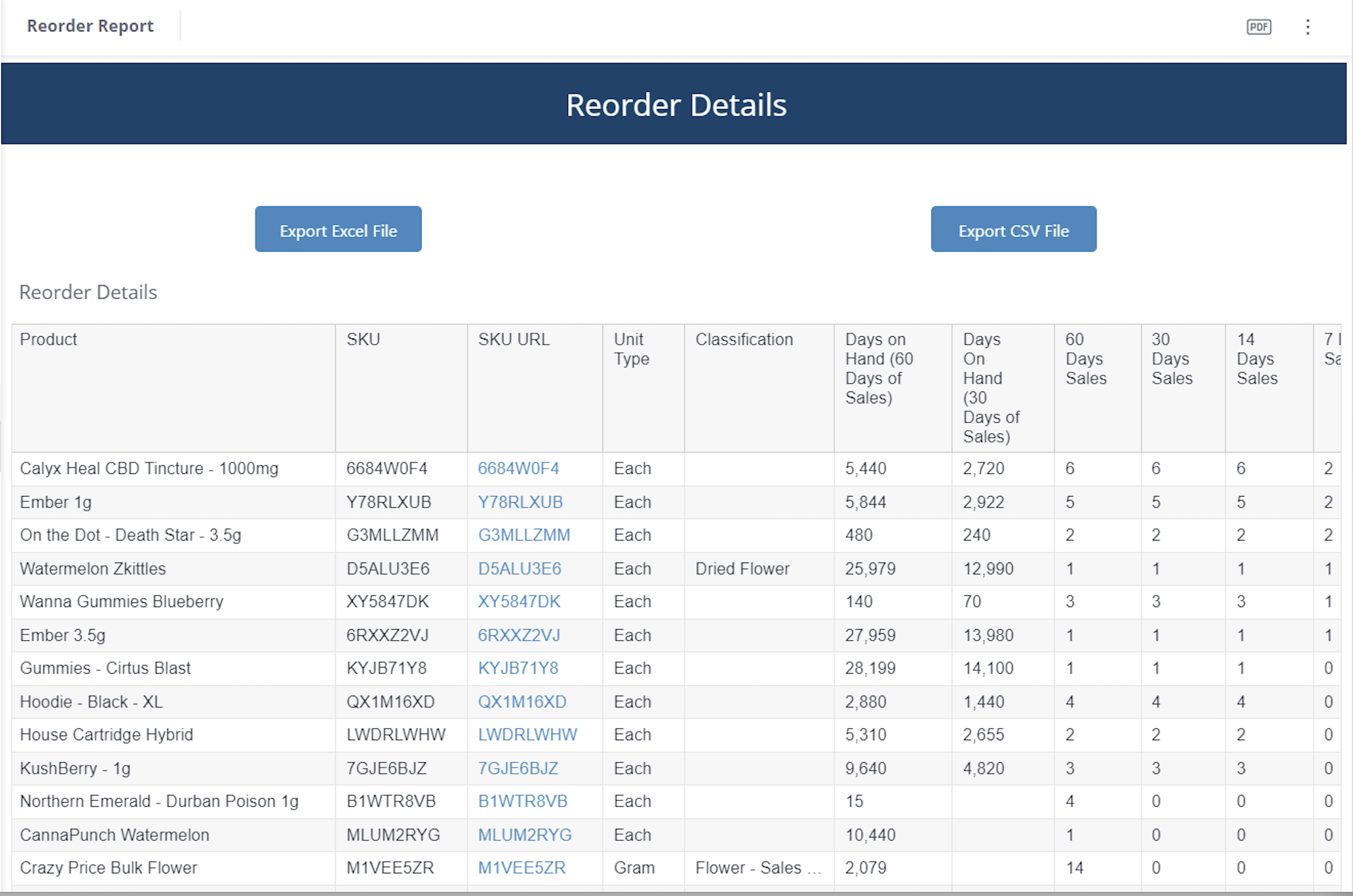
Spotting Dead Stock Cannabis Early: Practical Strategies
If your team only reacts once product discounts hit or compliance warnings pop up, it’s already too late. Strong operators combine technology-driven alerts with regular slow moving inventory reports for early warning. When your system – such as a compliant cannabis POS – links sales trends to live inventory data, it’s straightforward to spot which SKUs are inching toward markdown territory. The sooner you spot a laggard SKU, the more options you’ll have for price adjustment, bundling, or vendor negotiations before the item turns into a sunk cost. Advanced shops are even leveraging real-time analytics platforms like Cova Software to catch slow movers and dead stock before their value drops off.
The Financial Realities: What Dead Stock Actually Costs You
Dead stock is more than just a storage issue. Every underperforming SKU ties up inventory dollars and clutters valuable display space. In cannabis retail, expired goods are a compliance risk – and that means potential fines or losses. According to updated retail research, retailers who actively monitor and act upon inventory age consistently outperform the pack in terms of cash flow and waste reductions. It’s not just about margins; with better visibility into shelf life, your team can ditch the last-minute rush to offload old product. For retailers curious about broader strategies to increase profit margins, this Cova blog on making retail more profitable is worth a scan.
How to Build Strong SOPs Around Inventory Aging Reports
Great reports help, but action is what counts. Tightly designed SOPs keep your store ahead of dead stock and prevent compounding waste. Key steps include regular audits (daily for high-volume SKUs, weekly for the bulk, and monthly deep counts), spotlight displays, and the timely rotation of older products. Cova customers find that using integrated audit tools not only keeps teams accountable, but also minimizes those fire drills when compliance inspectors show up. For a detailed walk-through of SOPs that reinforce accurate receiving, labeling, and reconciliation, Cova lays it out in this Inventory SOP .
How Technology Powers Real-Time Visibility in Modern Dispensaries
Modern retail platforms – like Cova’s cannabis POS – give you live oversight on inventory aging, from days on hand to customizable bucket sorting and instant alerts. With automated notifications for stalling stock, you’re not stuck hunting through spreadsheets to spot early trend shifts. That benefit multiplies if you’re operating more than one location: you can spot widespread category or SKU issues before they become expensive. For an in-depth view on centralizing controls, take a deeper look at the Cova Dispensary Inventory Management hub.
Data-Driven Promotions: Smarter Moves for Aging Inventory
When the data tells you an item is slowing, it’s time for a tactical play rather than a panic discount. Real operators use data-backed SKU rationalization – trimming slow-movers and leaning into assortments that fit customer needs. Promotions can be targeted instead of broadcast, and pairing low-velocity SKUs with your best-sellers in bundles creates win-win sell-through scenarios. Remember, habitual discounting can backfire by lowering long-term price expectations and eroding brand value. If store profitability is high on your agenda, you’ll also find practical insight in Cova’s article on maximizing cannabis retail margins.
Forecasting and Predictive Analytics: Getting Ahead of Problems
The future of inventory aging isn’t about chasing what’s already old – it’s about predicting what could soon become dead stock. Leading teams are blending historical sales, seasonal patterns, and active POS data to forecast slowdowns by SKU. By reading these signals, you can tweak ordering, schedule corrective promotions, or renegotiate with vendors while products still hold value. This sharpened approach cements your inventory aging report dispensary process as more than a report – it’s a business advantage in 2026.
Inventory Reporting and Compliance: Non-Negotiable for Cannabis Operators
Regulators aren’t looking for guesswork. Your compliance-first workflow (tracking every SKU from intake through sale) helps ensure you’re ready for audits, licensing checks, and the routine demands of a regulated marketplace. Best practice is linking aging reports directly with traceability systems like Metrc and BioTrack. That way, reports are always up to date and less prone to manual mistakes. If you need more details, Cova’s Metrc resource and dispensary SOP templates give you checklists for compliance-ready reporting.
FAQ: Inventory Aging Report Dispensary Essentials
- What is an inventory aging report that dispensary operators should use?
An inventory aging or reorder report lets you track how long every SKU has been in stock. By sorting items by age, it’s clear which are selling, which are stagnating, and which might soon be a compliance or waste problem. - How do I spot dead stock cannabis early?
Schedule slow moving inventory reports each week, leverage platform alerts, and don’t skip regular audits. Combining transaction analysis with real-time stock data is how you stay one step ahead. - How should I handle dead stock cannabis?
Stick to an SOP: remove expired/underperforming stock, roll out targeted discounts or bundles, and adjust what you order going forward based on data, not guesswork. - How does better inventory aging management impact profitability?
You unlock working capital, minimize knee-jerk discounts, and reduce regulatory risk – all in ways that add up to a healthier bottom line for your dispensary. - Where can I find more cannabis inventory management SOPs and resources?
Check out the complete workflow library on the Cova Inventory Management page and the complete SOP template library.
Conclusion: Making Inventory Aging a Strategic Dispensary Advantage
Treating your inventory aging report dispensary process as a core discipline – rather than just another audit checklist – is how retailers earn more, waste less, and dodge unnecessary compliance headaches. When you equip your team with practical SOPs, reliable tech, and clear data, you gain real-time control over inventory risks and opportunities. If tighter cash flow, audit readiness, and stronger margins are your north star, it’s time to put those aging reports to work. Want a first-hand look at how Cova Software supports inventory management with built-in compliance and retail ops best practice? Book a personalized demo today and see for yourself what practical, retailer-first software looks like.