
Cannabis Franchise vs Other Retail Models:
Costs, Business Models, and How to Choose

As cannabis markets mature, growth becomes harder to achieve through a single store or ad-hoc expansion. Increased competition, tighter margins, and higher compliance costs force dispensary owners to reconsider how they scale.
The choice of cannabis business model – whether independent, franchise, licensed, or managed – directly shapes capital requirements, operational control, and long-term risk. But how do you pick one?
While top cannabis dispensary franchises in North America like Spiritleaf, Unity Rd, and Miracle Leaf offer an enticing deal with support networks, lower COGS, and proven playbooks, other models like licensing or managed services may better suit those seeking more control or equity.
This guide breaks down all major retail models available for cannabis businesses, as well as the cost, pros, and cons of a cannabis franchise compared to other models.
Key Takeaways Box
- Franchise models offer faster time-to-market and immediate marketing + brand lift, but require ongoing royalties and offer low operational autonomy.
- Independent dispensaries provide 100% equity and creative control but carry a higher compliance burden and potentially slower brand growth.
- Licensing serves as a middle ground, providing brand recognition with more daily operational freedom than a traditional franchise.
- Managed Services are ideal for capital-rich owners who want to own the brand and equity but lack the time or expertise to manage daily operations.
- Buying a franchise can cost up to $1 million to $2.5 million, including a $50,000–$100,000 franchise fee. Independent models may have lower upfront costs but lack the built-in support of an established brand.
- What Are the Main Cannabis Retail Business Models Today?
- How to Choose the Right Cannabis Business Model
- What Is a Cannabis Dispensary Franchise
- How to Start a Cannabis Franchise
- How Much Does It Cost to Open a Cannabis Franchise?
- Cannabis Franchise vs Independent Dispensary: Pros, Cons, and Costs
- Franchise vs Licensing: What’s the Real Difference?
- Franchise vs Managed Services or Turnkey Retail
- How Profitable Are Cannabis Franchises?
- Frequently Asked Questions (FAQs)
- Choosing the Best Retail Model for Your Cannabis Dispensary
What Are the Main Cannabis Retail Business Models Today?

Despite the regulatory intricacies of opening a dispensary, cannabis retail isn’t too far detached from regular retail. As such, cannabis operators still have the (mostly) same business models to choose from. The following 7 models represent the most common routes to market – each varying significantly in terms of equity, creative control, and operational support:
1. Independent Dispensary
The independent dispensary is an umbrella term covering all businesses that run on a “traditional” entrepreneur/DIY model where the operator owns the license, brand, and equity in its entirety. With full operational control and 100% of the profits, this route is an attractive option for operators who want creative flexibility, lower fixed expenses, and minimal outside influence.
The cons of this is that operators often lack support networks, have to build SOPs from scratch, navigate compliance hurdles, and are unable to benefit from the bulk purchasing power of a franchise.
The independent dispensary model is thus best for operators with strong local market knowledge, previous retail experience, and a desire for total brand control.
2. Franchise Retail Model
To operate within a cannabis dispensary franchise means becoming part of a chain of multiple stores that operate uniformly. Operators get to use an established brand’s trademark, SOPs, benefit from their network and “playbook”, including help with real estate, compliance, and staffing.
In exchange for this, the franchisor gets an initial franchise fee and ongoing royalties (typically a % of revenue). Operators also lose some decision-making power and are usually unable to change the inventory, decor, marketing campaigns, etc.
This is ideal for operators who want a “safer” entry into the industry and are willing to trade control and a portion of the profits as the cannabis franchise cost in exchange for training, store design, general support, and a general supply chain network.
3. Licensing / IP Model
Licensing is a “franchise-like” business model where operators pay a fee and/or royalties to use an established brand’s name, logo, and intellectual property (such as the product catalog) but retain more operational control than a franchisee. In other words, licensees get to enjoy the recognizability of a brand without the strict operational “micromanagement” of a franchise.
It is also often cheaper and less legally complex than a full franchise agreement. On the downside, operators get less support and franchisors are less likely to “bail out” during tough times since they’re less invested.
Licensing is thus an ideal option for operators who want to skip the uphill battle of generating awareness for a completely new dispensary while still having control and equity in the business they are building.
4. Managed Services / Turnkey Retail
The Managed Service or Turnkey Retail model enables dispensary owners to contract an external firm to run the daily operations while they hold the license, brand, and equity. The managed services company will handle core parts of running a dispensary. The core services offered by such companies tend to include launch and onboarding, marketing, retail design and management, logistics and infrastructure, accounting and bookkeeping, SOPs and staff training.
Operators who are willing to pay the higher upfront cost benefit from a (typically) faster entry to the market and industry expertise of cannabis veterans – all without losing equity or paying permanent royalties.
Managed services are thus ideal for capital-rich operators or groups who won a license but lack the operational expertise (or time) to run the store themselves.
5. Corporate / MSO-Owned Retail
The Corporate Cannabis or Multi-State Operator (MSO) are large companies that hold licenses across multiple states, centralizing operations to achieve economies of scale (like Walmart for cannabis). Verano and Cresco Labs are examples of these “big box” dispensaries.
The MSO model is rarely an end goal for dispensary owners and more of a potential exit strategy since MSOs will often acquire existing independently operated dispensaries.
6. Vertical Integration
Vertical integration is the process of owning multiple steps in the supply chain (and often the entire supply chain). For the cannabis business model, this includes cultivation, processing/manufacturing, transportation, and retail.
The goal of vertical integration is to increase margins by eliminating the middlemen (through acquisitions/mergers or expanding own operations).
Vertical integration is expensive, requires expertise in different domains, and is typically best-suited for well-funded operators or established cultivators looking to capture retail margins or control their own supply.
7. Brand-Led or Hybrid Retail Models (2025 update)
Brand-Led (or product-led) is a trending new hybrid retail model where successful product brands (typically eCommerce or DTC brands) open their own flagship retail store to capitalize on their brand loyalty by removing the middlemen (third-party dispensaries).
Some retailers will also collaborate with popular brands in the form of an exclusive store or by dedicating a section of their floor to a specific brand.
This model is ideal for product companies with a cult following who want to bypass wholesale bottlenecks, or retailers looking to lower merchandising costs by leaning on established brand partners.
How to Choose the Right Cannabis Business Model
The choice of business model is one of the biggest factors influencing startup costs, operational freedom, and long-term risk. Understanding these models is the first step in determining how much equity you are willing to trade for expertise and how much control you are willing to surrender for speed.
Here is a brief breakdown of all major retail models available for a cannabis dispensary (with more in-depth analysis below):
Independent Dispensary
Variable
High
None
Slowest
DIY-er, Full Control
Franchise Retail
High ($1-$2.5M)
Low
Moderate
High
Fast
Capital rich, newcomer
Licensing/IP
Moderate
Moderate
High
High
Fast
DIY-er w/ Established Brand
Managed Services
High Upfront
High
Low
None/Low
Fast
Capital rich, lacking time/expertise
Corporate/ MSO
Very High
Centralized/Low
Managed
Very High
-
- (this is typically an exit strategy)
Vertical Integration
Very High
Total
High
Low/Moderate
Slower
Looking to expand/merge
Brand-Led/ Hybrid
Variable
Shared
Moderate/High
Very High
Moderate
Have/want cult following for product brands
What Is a Cannabis Dispensary Franchise
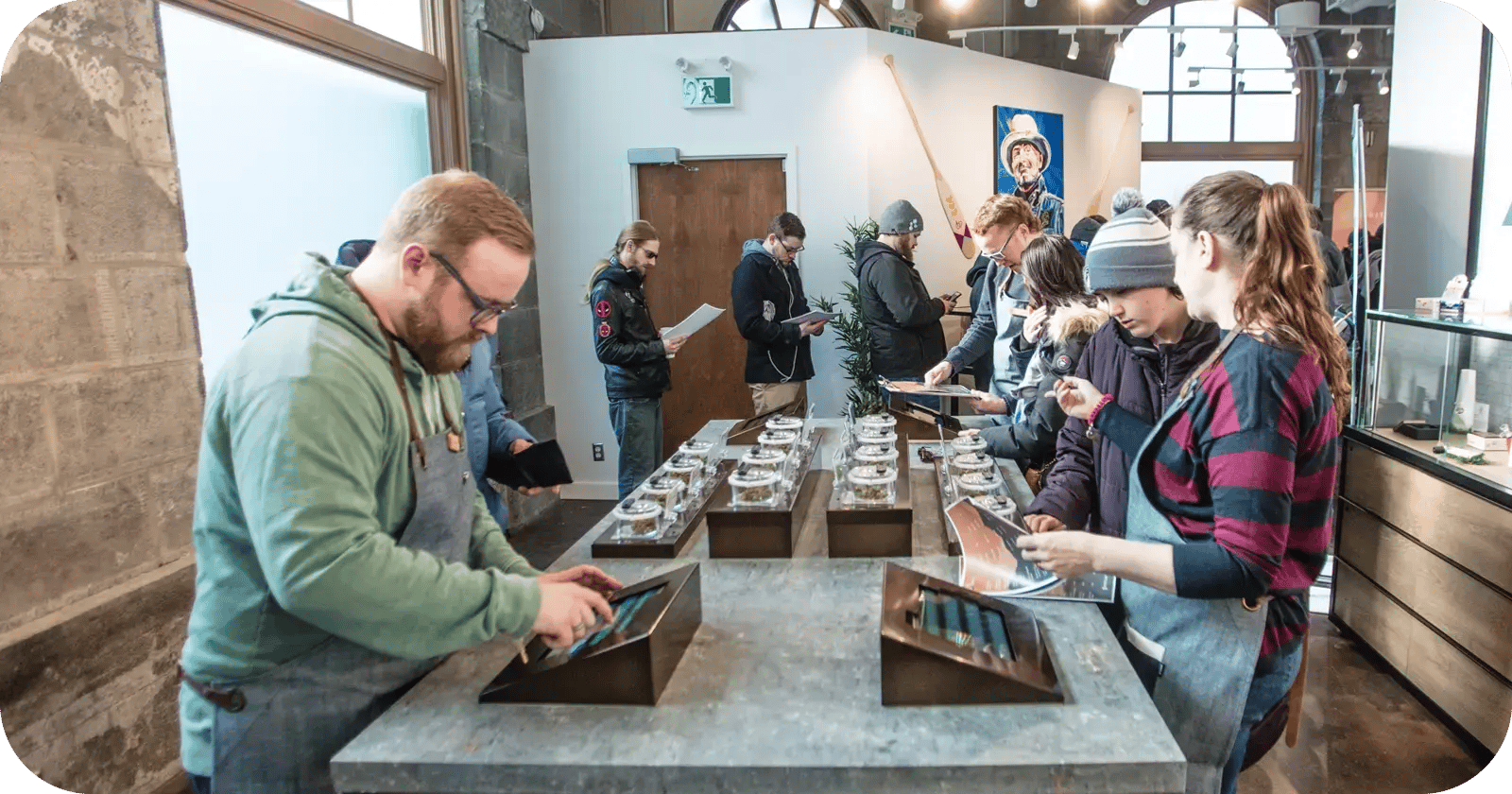
A cannabis dispensary franchise is a regulated business model where an operator (franchisee) pays initial and ongoing fees to use an established brand’s trademark and proprietary systems. In exchange, the franchisee receives proven SOPs, support, employee training playbooks, ongoing compliance, and access to a wide support network.
“Many cannabis entrepreneurs may not have industry knowledge, business experience, or financial backing to succeed in this extremely compliance-heavy and regulated business. We lay down the structure for them and offer them the complete package for what is considered an average royalty fee in national franchising. It’s a win-win situation for them as they still completely own the business, but get a quicker time to market, a well-established brand image, and a proven business model as compared to an independent dispensary.”, says Darwin Cooper, VP of Operations at Eufloria, on why entrepreneurs choose franchise partners like Eufloria.
The Franchisor-Franchisee Relationship
On the surface, the Franchisor-Franchisee Relationship is defined by rights and controls (“I have rights to…” and “I have control over…”) but in the context of today’s tech-enabled retail, it’s a lot more.
For a franchisee, this means dispensary owners are never building alone. While they do give up some autonomy, they gain access to collective insights. Spiritleaf is a prime example of this, having become one of Canada’s most prominent cannabis chains with over 100 franchised and corporate-owned locations.
“When you have the data of over 58 stores across the country as a precedent to optimize your inventory and pricing, you have a tremendous advantage over other brands”, explains Darren Bondar, President and CEO of Inner Spirit Holdings (parent company of Spiritleaf).
Checklist for Vetting a Cannabis Franchise
Successfully buying and opening a cannabis franchise begins with choosing the right franchisor. It’s a long, complicated, and important decision but here is a 10-step checklist for vetting a cannabis franchise to ensure the partnership aligns with your vision and state requirements:
- 1. Determine if the franchisor’s brand has enough market presence to provide an immediate sales boost and customer trust in your target area.
- 2. Confirm the level of daily "micromanagement" or control over operations, and if it aligns with your desired level of autonomy.
- 3. Determine if the ongoing fees and royalties are sustainable for your projected margins and profit goals.
- 4. Review the franchisor's history of success across multiple locations to ensure their "playbook" is actually proven.
- 5. Verify if the franchise network provides significant bulk purchasing power or lower Cost of Goods Sold (COGS).
- 6. Check the profit margins on the franchisor’s in-house brands and private label products (and if they can offset royalty costs).
- 7. Ensure you are comfortable with the SOPs, general practices, and requirements set forth by the franchisor.
- 8. Inspect the franchisor’s required tech stack, its costs, functionality, ease of use, etc.
- 9. Clarify the franchisor's level of investment and support if the business faces unexpected financial or regulatory difficulties.
- 10. Review the franchise agreement for the exit strategy and how you can eventually sell or scale the dispensary.
How to Start a Cannabis Franchise
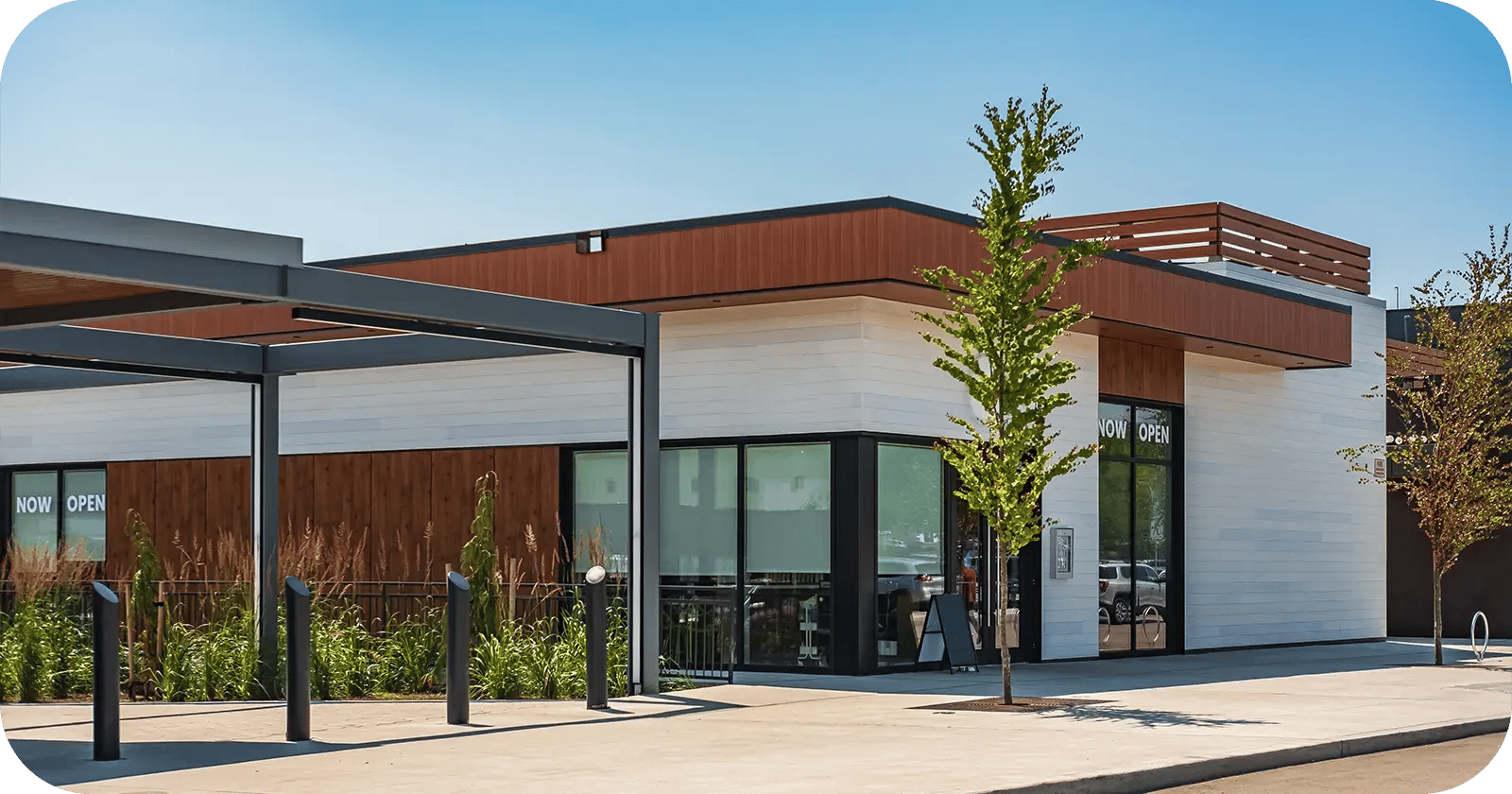
Opening a cannabis dispensary as part of a bigger franchise is as much about having support and marketability as it is a strategy for risk mitigation. For many operators, a franchise is the safer option, but it’s not bulletproof.
1. Verify State Eligibility & Franchise Regulations
As of 2025, 24 states have legalized recreational cannabis, but not all of them are friendly to the franchise model. State laws differ in residency and ownership regulations (such as the True Party of Interest rule in many states).
You would also confirm the licensing timelines or general and social equity applications in your state at this stage – ensuring your retailer licenses will be issued by the time you’re ready.
2. Due Diligence & Franchise Disclosure Document (FDD)
The Franchise Disclosure Document (FDD) is a federally regulated document that lays out the franchisor's litigation history, bankruptcy filings, and other important business details. For operators, the FDD is a critical tool for due diligence, offering a look into the franchisor's past as well as a detailed breakdown of all initial and ongoing fees.
3. Validate Capital Readiness
Most major franchisees will require operators to show $200,000 to $500,000 USD in liquid assets or cash with an even bigger net worth (usually more than $1M USD).
With traditional banks still unable to offer loans for cannabis businesses, most operators just have a few financing options for a cannabis franchise. Personal savings, private fundraising (friends & family), angel investors & cannabis-friendly lenders (such as REITs), and private equity.
Editor’s Note: Do note that securing capital from private equity isn’t as easy as it used to be. The “green rush” of easy venture capital is on the decline, with cannabis VC funding reducing from $2 billion in 2019 to just $101 million in 2024 in the United States.
4. Secure Compliant Real Estate
Almost all license applications will require operators to secure property for the cannabis store – meaning it must meet all zoning regulations and have approval for local authorities. Unfortunately, real estate has become one of the biggest barriers to entry with sky-high prices in North America.
5. Apply for State Licensing
With the location secured and franchise partner onboard, it’s time to apply for the cannabis retail license with your state’s regulatory body. For booming states like New York and Illinois, this step alone can take up to 12 months (not counting regulatory bottlenecks and delays) – only planning ahead can save time.
That said, many states offer social equity benefits and special lotteries for qualifying operators, which we have covered in greater detail in our comprehensive Cannabis Law guide.
6. Complete Franchisor Onboarding, Adopt SOPs, and Integrate Technology
Most operators will begin the franchisor’s onboarding and training program while awaiting regulatory approval. This will typically include the franchise’s Standard Operating Procedures (SOPs) outlining protocols for opening/closing the dispensary, cash handling, customer check-in, inventory audits, and more. Also, review brand culture & identity, retail workflows, secondary business activities such as marketing, etc.
Additionally, many top franchises now mandate specific technology stacks, such as Cova POS, to automate compliance. By reducing variables, franchisors can protect their entire network and ensure auditable operations across locations.
How Much Does It Cost to Open a Cannabis Franchise?

Opening a cannabis franchise typically requires a total initial investment between $1 million and $2.5 million USD, depending on location, size of operation, and the requirements of the specific franchise. Below is a realistic breakdown of where that capital goes in 2025.
State Licensing Fees
Every state has its own fee structure for a retail dispensary license, which includes the application fees and annual fees and can be as low as $2,500 for states like Oklahoma and over $100,000 in limited-license markets.
Many states do offer financial aid, usually in the form of lower or no application fees for operators that meet certain social equity requirements.
Franchise Fee
The initial franchise fee is set by the franchisor and is typically between $50,000 and $100,000 for medium-large cannabis chains. The exact figure and even how this fee is paid will depend on the specific franchise and their FDD.
That said, the fee is rarely fixed and is rather agreed upon on a case-by-case basis. Chains may include discounts (such as for veterans), split the fee into installments, or other offers to make the deal more enticing.
Buildout & Security
Building the cannabis retail store is the single biggest expense, and a new store can easily cross into 7-digits. Construction costs will vary wildly based on location, but buildout for a standard 2,000 sq. ft. dispensary can usually be done for as low as $300,000 and up to $1,000,000 on the higher end.
Some parts of construction will be non-negotiable though, such as security. A compliant surveillance, access control, and locked storage system will be an upfront, fixed cost of $50,000 to $150,000 USD.
Inventory
Initial inventory costs typically range from $50,000 to $150,000, depending on the store size, wholesale pricing, as well as the franchise agreement. Franchisors may require you to stock a specific mix of high-margin private label products.
POS & Compliance Technology
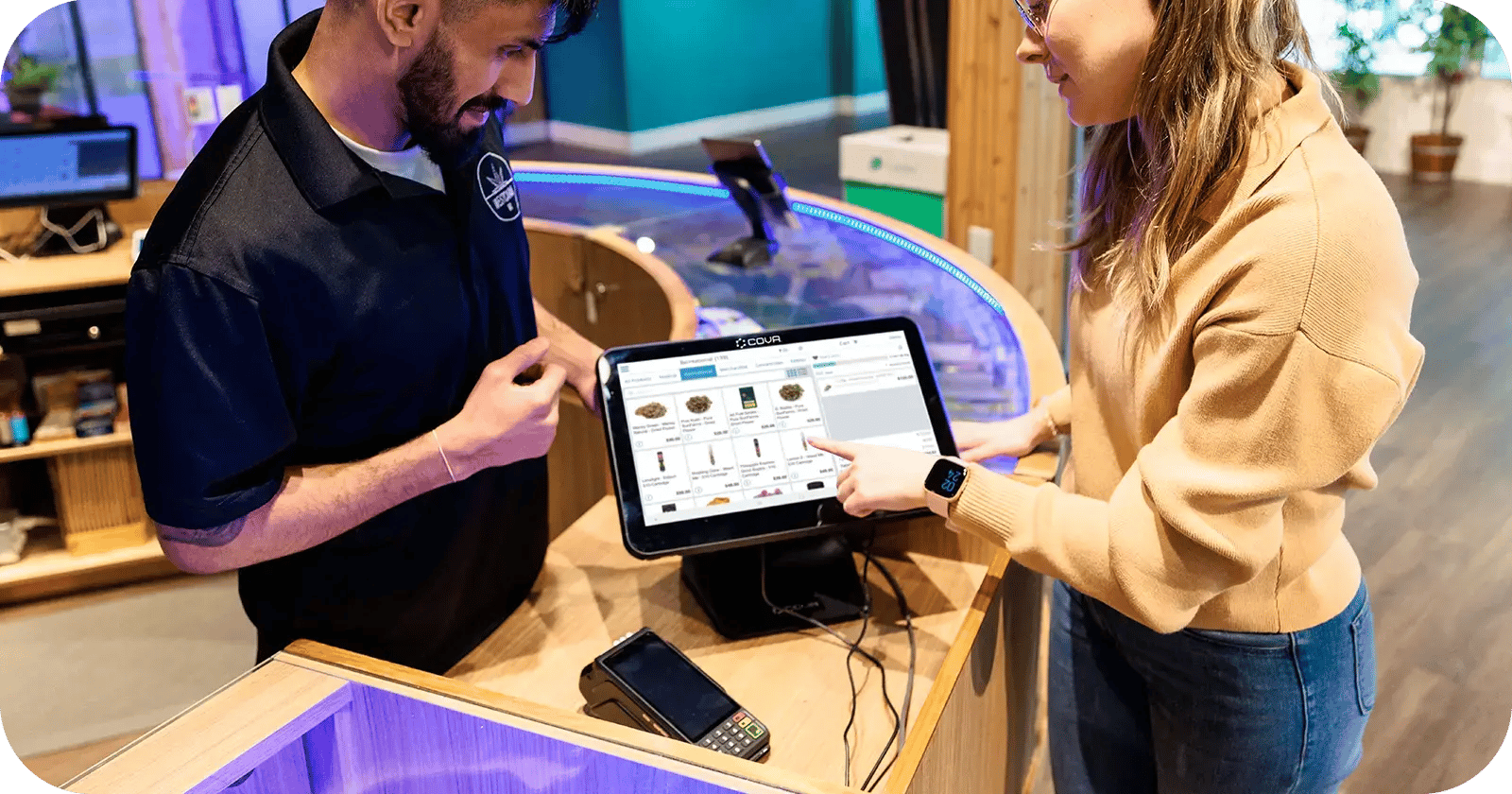
Cannabis retail dispensaries are legally required to send sales reports to Metrc or BioTrack, typically through a compliant Point of Sale (POS) system like Cova POS. We covered the main costs associated with the POS in a comprehensive guide but here is a quick overview:
- Hardware and Setup: $10,000 - $50,000 for registers, tablets, scanners, etc.
- Monthly SaaS: Expect $300 - $800 per POS terminal/station in ongoing monthly tech fees.
Royalties and Brand Marketing Funds
- Franchisees pay ongoing fees for the continued use of the brand and support network.
- Royalty Fee: Typically 4% to 6% of Gross Sales
- Marketing Fund: An additional 2% to 3% of Gross Sales is often collected to fund national brand awareness campaigns.
Hidden/Auxiliary Ongoing Costs
Lenders and franchisors generally require store operators to have $250,000 to $500,000 in liquid working capital to cover payroll, rent, and daily operations for the initial 6-12 month launch period. In addition to this runway, dispensary owners should also account for “hidden” or auxiliary ongoing costs, including but not limited to:
- Legal & Professional: $20,000 - $150,000 for lease negotiation and zoning attorneys.
- Insurance: Product liability and property insurance can run $4,000 to $10,000+ annually.
Read More: For a deeper dive into general startup numbers, check out our guide: How Much Does it Cost to Open a Cannabis Dispensary?
Cannabis Franchise vs Independent Dispensary: Pros, Cons, and Costs
There is no “best” option – choosing between a cannabis franchise and an independent dispensary typically comes down to one question: Is the franchise fee and royalty worth the support?
Capital Requirements
Higher Initial Investment. Includes franchise fees, startup licensing, and strict buildout standards (plus net worth and liquidity proof).
Variable / Lower. Build-out can be lower with a DIY approach.
Ongoing Costs
4% to 9% of gross sales. Monthly royalties and marketing fees on gross sales.
No monthly fees.
Operational Autonomy
Low / Restricted. Must operate within pre-defined SOPs with franchisors having significant control over business decisions.
High / Total. Operators have full control over design, brand, business and product strategy (barring lender/VC influence).
Compliance Readiness
Managed / Supported: Franchisors often provide legal support, established blueprints, and compliance technology, reducing risk.
High / Self-Managed. Full compliance liability falls on the operator – having to navigate regulations, packaging, marketing, etc. from scratch.
Marketing + Brand Lift
Immediate. Established brand recognizability helps with sales from the start, especially in competitive markets.
Slow / Organic. Must build brand awareness from scratch and rely on community engagement.
Speed-to-Market
Fast. Proven business models and systems are ready right out of the box, reducing operational delays and increasing market readiness.
Slower. Finalizing supply chains, building infrastructure, training staff, and ironing out details comes with a steep learning curve.
Scalability + Exit Value
Limited. How the franchisees grow and exit the business is determined primarily by the agreement.
Limitless. There is no hard ceiling on the scalability or exit value of your dispensary.
Ideal Operator Profiles
A helpful way to look at the decision between a franchise and an independent dispensary is to think about which set of problems you are better equipped to solve.
From that perspective, the franchise model is likely for you if:
- You want a safer investment with lower overall risk.
- You are not a retail expert or would prefer proven processes for a more “out of the box” experience.
- You want the support network and collective buying power of a large corporate entity behind you.
- You value time-to-market and want to open doors as quickly as possible.
And the independent (DIY) model is likely for you if:
- You want to prioritize profit margins, equity, and avoid paying a large upfront fee and ongoing royalties.
- You want full creative control over the brand, strategy, and products.
- You prefer a hands-on approach of building retail processes, teams, and a company.
- You are building for an exit – that is, the goal is to sell without needing a franchisor’s approval.
Franchise vs Licensing: What’s the Real Difference?
Both franchising and licensing provide entrepreneurs with a well-known brand for their storefront, but one is a template, and the other is a system. The key difference between franchising and licensing is that the latter is less rigid in how the entrepreneur carries out daily operations.
Despite the advantages of additional support and an “easy-to-follow” plan, a full cannabis franchise isn’t for everyone. For entrepreneurs who don’t want the parent company dictating operations, supply chain, and higher upfront costs, IP licensing becomes a better option.
"It's quite confrontational, whereas a license model is more of partnership. The better they do, the better we do." — Michael Birch, Co-founder of Cannabis Jacks (on why he avoided the franchise model).
Primary Focus
Replicating a proven business system with an existing brand.
Monetizing a brand name or IP asset.
Low. Must follow the Franchisor’s brand guidelines, SOPs, vendors, products, etc.
High. Operators have autonomy over daily operations but they must not be against the brand’s overall image and ethos.
Support & Training
Extensive. Support for onboarding, compliance, training, marketing, vendors, products, etc.
Minimal. Operators get a template but the execution is largely autonomous.
Fees Structure
High upfront franchisee fee with ongoing royalties and other fees.
Lower upfront.
Legal Burden
Moderate. Franchise law and regulations is complicated and the onus of due diligence is on the operator.
Light. Licensing is governed by standard contract law making it faster and cheaper to execute.
It helps to view licensing as a happy medium between the rigid structure of a franchise and the total freedom of the independent model – paying to put a well-known name on the storefront while still having control over daily business decisions.
From that perspective, the licensing model is likely for you if:
- You want a local feel that feels unique to your community without developing a brand from scratch.
- You want operational guidance but not micromanagement.
- You want guidance on retail practices with lower upfront fees and ongoing royalties.
- You value time-to-market but not enough to give up ownership or equity.
Franchise vs Managed Services or Turnkey Retail
In a franchise, the business owner pays a fee to use their brand while managing the daily operations. But in a managed services model (also known as turnkey retail), the operator or owner pays a fee to let someone else manage day to day operations while the owner builds their own brand.
Primary Focus
Replicating a proven business system with an existing brand.
Outsourcing specific operations to build a new brand.
Operational Control
Low. Must follow the Franchisor’s brand guidelines, SOPs, vendors, products, etc.
Moderate/High. Consultants and contractors execute the vision set by the business owners.
Support & Training
Extensive. Support for onboarding, compliance, training, marketing, vendors, products, etc.
Minimal. Operators get a template but the execution is largely autonomous.
Fees Structure
High upfront franchisee fee with ongoing royalties and other fees.
Service fees. Retainer or project-based fee but no indefinite royalties.
Legal Burden
Moderate. Franchise law and regulations is complicated and the onus of due diligence is on the operator.
High. Similar to hiring contractors in any business, the operator/owner is still liable for all diligence and compliance.
The right consultant can give you exactly what you're looking for – taking some of the risks of investing in a cannabis franchise out of the equation. This becomes particularly attractive in complex or changing regulatory environments where the cost of a compliance mistake is high.
From that perspective, the managed services or turnkey retail model is likely for you if:
- You want to build your own brand while owning all of the equity.
- You want to own a cannabis business but lack the time or desire to manage daily operations.
- You want to mitigate risk and reduce time-to-market by leveraging a specialist firm.
- You don’t want to pay indefinite royalties.
How Profitable Are Cannabis Franchises?

Profitability and revenue of cannabis franchises vary significantly based on state regulations, royalty structures, store efficiency, margins, and market maturity, among others. That said, it is possible to get an idea based on averages.
For starters, the average dispensary owner (across the board) makes a gross profit of between 45% to 55%. For a standard retail footprint, this often translates to roughly $200,000 to $500,000 per year in gross profit (before taxes and 280E adjustments in the U.S.)
Also Read: How Much Money Does a Cannabis Dispensary Owner Make?
If we factor in an average 7% ongoing cost (typically a ~5% royalty fee plus a ~2% marketing fund fee), the gross profit margin becomes somewhere between 38%–48%.
However, franchisees often benefit from lower wholesale costs on inventory, marketing support, and access to veterans/services that can lower operational costs. Additionally, access to the franchisor’s private label brands often yields higher margins than selling third-party brands.
The bottom line is that overall, dispensaries generally aim for a net profit margin of around 10-20%. For a franchise, the goal becomes to use existing systems and brand value to hit that target faster and more consistently than it would be possible alone.
Frequently Asked Questions (FAQs)
Is a cannabis franchise a good investment for beginners?
Yes, cannabis franchises are particularly good for operators with capital but limited industry/retail experience. Franchises reduce risk by providing a proven playbook, guidance, training, and an established supply chain – at the cost of monthly royalties and less brand control.
How long does opening a franchise take?
Opening a franchise generally takes between 6 to 12 months, with state licensing approval being the biggest “variable” factor. The buildout is comparatively faster due to pre-defined, optimized design, tech stack, and training.
Do franchises help with licensing?
Yes, franchisors typically have templates for a variety of documents that franchisees can use as a starting point as well as support and guidance from experts and industry veterans. The franchisor’s proven compliance framework typically speeds up the process by strengthening the application.
Are royalties worth it?
Royalties can be worth it due to the lower Cost of Goods Sold (COGS) thanks to the franchisor’s wholesale prices, private label brands with higher margins, and the value of brand recognition. In the ideal scenario, the ~7% fees on gross profit is offset by the lower costs and better support.
Is franchising allowed in every legal state?
No, some states like New Jersey have residency requirements that restrict out-of-state majority ownership. There are also other regulations that make some states more friendly to franchisees than others.
What are the best states for opening a cannabis franchise?
The best states for opening a cannabis franchise are typically new and growing markets as well as limited-license states due to lower market saturation and competition. Things change fast, but New Mexico, Illinois, and Michigan are some of the best states for a cannabis franchise due to their relative stability.
What is a cannabis Franchise Disclosure Document (FDD)?
The Franchise Disclosure Document (FDD) is a legal document that a franchisor must provide to potential franchisees. The document outlines information such as the franchise’s financial health, legal history, royalties and fee structure, rights, obligations, etc. The FDD is critical for due diligence and understanding the true costs of a cannabis franchise.
What skills do you need to run a cannabis franchise?
While franchisors do have comprehensive training programs, the operator is expected to have some retail experience and general business management skills to keep the system running.
Choosing the Best Retail Model for Your Cannabis Dispensary

Choosing the right cannabis business model begins with personal goals, local markets and regulations, and operational readiness.
Whether it's the creative freedom of an independent dispensary, the support of a franchise, or the operational ease of managed services – each model has its own distinct advantages and trade-offs. There is neither a one-size-fits-all nor a “universal best” option.
Things change fast in cannabis, but through this comprehensive guide and comparisons, entrepreneurs and operators can determine the ideal fit for their needs. When you are ready to formalize your strategy, use our Cannabis Retail Business Plan Checklist to begin your journey.